
A single failed drug test can park a commercial vehicle for months, interrupt schedules, and expose a Tampa employer to avoidable compliance risk. A return-to-duty DOT drug test Tampa employers coordinate correctly is the final testing gate after the driver completes the Substance Abuse Professional process. The steps are strict, but a clear plan can keep the case moving without compromising worker privacy.
Schedule DOT drug and alcohol testing with Med A Physical.
A return-to-duty DOT drug test Tampa is the required medical step for truck drivers to get back to their jobs after a DOT violation. This test happens only after the driver finishes an official review and required care with a DOT-qualified Substance Abuse Professional (SAP). According to the Federal Motor Carrier Safety Administration, this test must be done under direct watch to ensure the results are honest. For Tampa employers, handling this process right is vital for keeping fleets safe and meeting federal rules. The test shows that a driver is fit to work and starts a plan for more tests. Med A Physical helps Town N Country businesses handle these rules with fast, exact tests.
Keeping your fleet on the road in Tampa starts with knowing when these strict rules apply and who must act next.
Return-to-Duty DOT Drug Test Tampa: What triggers the process?
A DOT drug or alcohol violation, including a positive result or test refusal, triggers the return-to-duty process. The employer must immediately remove the driver from safety-sensitive duties and provide information about qualified Substance Abuse Professionals before any return-to-duty test can be scheduled.
Broken rules that start the process
Clear acts lead to a driver being pulled from their job. A positive drug or alcohol test result is the most common trigger. But refusing to take a test counts the same as a positive result. The Federal Motor Carrier Safety Administration (FMCSA) sets these rules. Any driver who fails or refuses a test must meet with a trained expert before they can work again. This applies to all pro drivers who fall under 49 CFR Part 382 rules.
Other broken rules include having alcohol in the system while on duty. Using drugs shortly before a shift also counts as a violation. Once a rule is broken, the driver cannot do safety tasks. The firm must give the driver a list of trained experts who can help them start the trip back to work.
How return-to-duty testing differs
A return-to-duty DOT drug test Tampa is different from a regular job or random screen. The most vital change is the need for direct observation. This means a staff member must watch the test. This helps stop any cheating. U.S. rules need this extra step for every return-to-duty test. It helps ensure the result is right and fair for the driver.
A return-to-duty test can sometimes count as a job test. But a regular job test cannot take the place of a return-to-duty one. Firms in Carrollwood and Citrus Park often use return-to-duty DOT drug testing services to handle these needs. Working with a Medical Review Officer helps check that every step follows the law.
Firm safety checklist
When a rule is broken, firms must act fast to stay within the law. Following a set list of steps helps protect the firm and the driver. Here is what you need to do when the process starts:
- Remove the driver from all safety tasks now.
- Give the driver a list of DOT-trained Substance Abuse Professionals (SAPs).
- Make sure the driver finishes the needed plan.
- Check that the SAP has cleared the driver for a return-to-duty test.
- Plan the test under direct observation at a trusted clinic.

Keeping right records of these steps is vital for any audit. By following these rules, Tampa Bay fleet managers can keep a safe work place. They also help their drivers get back on the road safely.
The return-to-duty process, step by step
Use this sequence as a coordination checklist. A driver who fails a DOT drug test cannot remain in safety-sensitive duties. Federal rules require a fast stop to all safety-sensitive tasks. This starts a strict path to get back to work. In Tampa, employers must complete each FMCSA-required step in sequence. The process documents the driver’s compliance and protects the public before safety-sensitive duties resume.
Finding a trained SAP
The first move for a driver is to find a Substance Abuse Professional (SAP). This person must have special training to handle DOT cases. They act as a guide through the whole process. The SAP will look at the case and decide what the driver needs to do. The SAP may recommend education, treatment, or both based on the evaluation. An employer must give the driver a list of SAPs if they do not have one. Many drivers in the Tampa Bay area start here to find the help they need to get back on the road.
Steps for the return-to-duty process
The return-to-duty process has several main parts. Each one must be done in order. You cannot rush these steps or take shortcuts. Federal law is very clear about how this works. It protects both the driver and the company.
- First, the driver meets with a SAP for a first check. This check helps the SAP learn about the driver’s history and the test failure. The SAP then makes a plan for help.
- Next, the driver must finish the plan. This plan might include classes about drug use or a full help program. The SAP tracks how well the driver does.
- Once the plan is done, the driver meets with the SAP again. This second check is to see if the driver did everything in the plan. The SAP decides if the driver is ready to test.
- The driver then takes the real return test. In Tampa, this test must be a return-to-duty DOT drug test Tampa drivers can trust. It must show a clear result.
- The SAP writes a final report once the test is done. This report goes to the employer and tells them the driver can do safety-sensitive work.
Direct observation and follow-up
The return-to-duty test is different from other tests. It must be done under direct observation. This means a trained person watches the driver give the sample. This rule stops anyone from trying to cheat the test. It is a firm rule that applies to every test like this across the country. In Citrus Park and Lutz, we make sure these tests meet every federal standard. Once the driver is back at work, the testing does not stop. The SAP will set up a schedule of more tests. These tests are not announced and happen over a long time. The employer must make sure these tests get done. This helps the driver stay on track and keeps our roads in Hillsborough County safe. Employers have the final choice on when a driver returns. They must wait for the clear test result and the SAP’s report. Once those are in hand, the driver can get back to work. This process keeps the fleet safe and ensures that every driver meets the high bar of federal rules. We help local fleets in Northwest Hillsborough County manage these complex rules every day.
Who is responsible for each return-to-duty step?
The employer or Designated Employer Representative manages removal and testing logistics; the driver completes the required process; the SAP evaluates compliance and sets follow-up testing; and the MRO reviews laboratory results. Clear handoffs among these roles reduce delays without exposing confidential information.
The employer and the driver
The motor carrier or employer starts the process. Their lead agent is the Designated Employer Representative (DER). They must give the driver a list of SAPs to choose from. They also decide if they will hire the driver back once the process ends. The employer sets up the return-to-duty DOT drug test Tampa drivers need to get back in the cab. They must also track the follow-up tests the SAP orders over the next few months or years.
The driver must find an SAP and finish all tasks. This includes a first check and any classes the SAP sets for them. For return-to-duty DOT drug testing services in Tampa, both parties must work together to meet all deadlines. The driver has to pay for their own care unless a union or contract pays for it. They must show they are ready to drive safe again before they can start a safety job.
Medical and safety experts
A Substance Abuse Professional (SAP) is a key part of the team. They check the driver and suggest a plan for care. They do not work for the clinic or the employer to stay fair. The SAP decides when the driver is ready for the first test. The Medical Review Officer for DOT testing checks the lab results. They make sure the test followed the rules and look for legal drug use. The MRO talks to the driver if a test comes back with a red flag. They check to see if there is a legal medical reason for the result.
The clinic in Town N Country or Westchase only collects the sample. This must be done under direct view as per FMCSA rules for these tests. The clinic sends the urine to an approved lab. They do not decide if a driver can work again. Their job is to make sure the test is fair and follows the law. The staff checks the temp of the urine and makes sure it is not faked. They then seal the vials and have the driver sign the form. This keeps the data safe and the test valid.
| Role | Main Duty |
|---|---|
| Employer (DER) | Gives out the SAP list and handles the test schedule. |
| Employee (Driver) | Finishes the SAP plan and stays drug-free. |
| SAP | Checks the driver and sets the plan for care. |
| MRO | Reviews lab results to ensure they are valid. |
| Testing Clinic | Collects the sample and sends it to the lab. |
How does follow-up testing work after return to duty?
After a driver returns to safety-sensitive work, the employer must carry out the unannounced follow-up testing plan set by the SAP. The plan requires at least six tests in the first 12 months and may continue for as long as five years.
The SAP sets the testing plan
The process starts with a DOT-qualified Substance Abuse Professional (SAP). The SAP evaluates the driver and recommends education, treatment, or both based on the individual case. Once the driver is ready to work again, the SAP writes a plan for follow-up tests. This plan stays in place even after the driver passes their first return-to-duty DOT drug test Tampa.
The SAP plan is a strict set of rules. It tells the employer how many tests the driver needs and when they should happen. These plans must meet the rules set by the Department of Transportation (DOT). For example, a driver must have at least six tests in the first 12 months. The SAP may require additional tests based on the evaluation. The plan can continue for up to five years. Med A Physical supports local firms in Westchase and Town N Country with collection coordination during these plans.
Rules for direct observation testing
One of the most important rules for follow-up tests is how the lab takes the sample. Every single test in this phase must be done under direct observation. This rule comes from 49 CFR Part 40 rules. It means a collector of the same gender must stay in the room during the test. They must watch the urine go into the cup to ensure no one cheats.
This step might feel uneasy, but it is a federal law. It is meant to keep the public safe on the roads in Tampa Bay. The collector must be professional and follow strict steps to protect the driver’s rights. At our clinic in Tampa, we make sure these tests are done with respect and care. We serve drivers from Carrollwood and Citrus Park. They need return-to-duty DOT drug testing services to stay in their jobs.
Employer duties for follow-up plans
Employers have a big job when a driver returns to work. They must carry out the SAP’s plan exactly. The company is responsible for setting the tests and paying for them. If a driver moves to a new job, the new employer must pick up the plan and finish it. This ensures that the driver stays safe while they perform safety tasks.
The employer must also use a Medical Review Officer for DOT testing to check the results. This doctor looks at the lab data to make sure it is right. They help catch errors and protect the driver’s health info. Using a local MRO in Hillsborough County helps make the process fast. It also keeps the data safe and private. Only the people who need to know see the test results.
Protecting driver privacy in Tampa
Privacy is a top priority during follow-up testing. Federal law protects the driver’s medical data. Employers must keep these test records in a safe place. They should not tell other workers why a driver is taking extra tests. This helps the driver return to their team without stress.
We work with many businesses in Lutz and Odessa to set up safe systems. Keeping these files right is not just good for the driver; it is the law. Our team knows how to handle these files so your business stays legal. By following these steps, you keep your team safe and your business running well in the Tampa area.
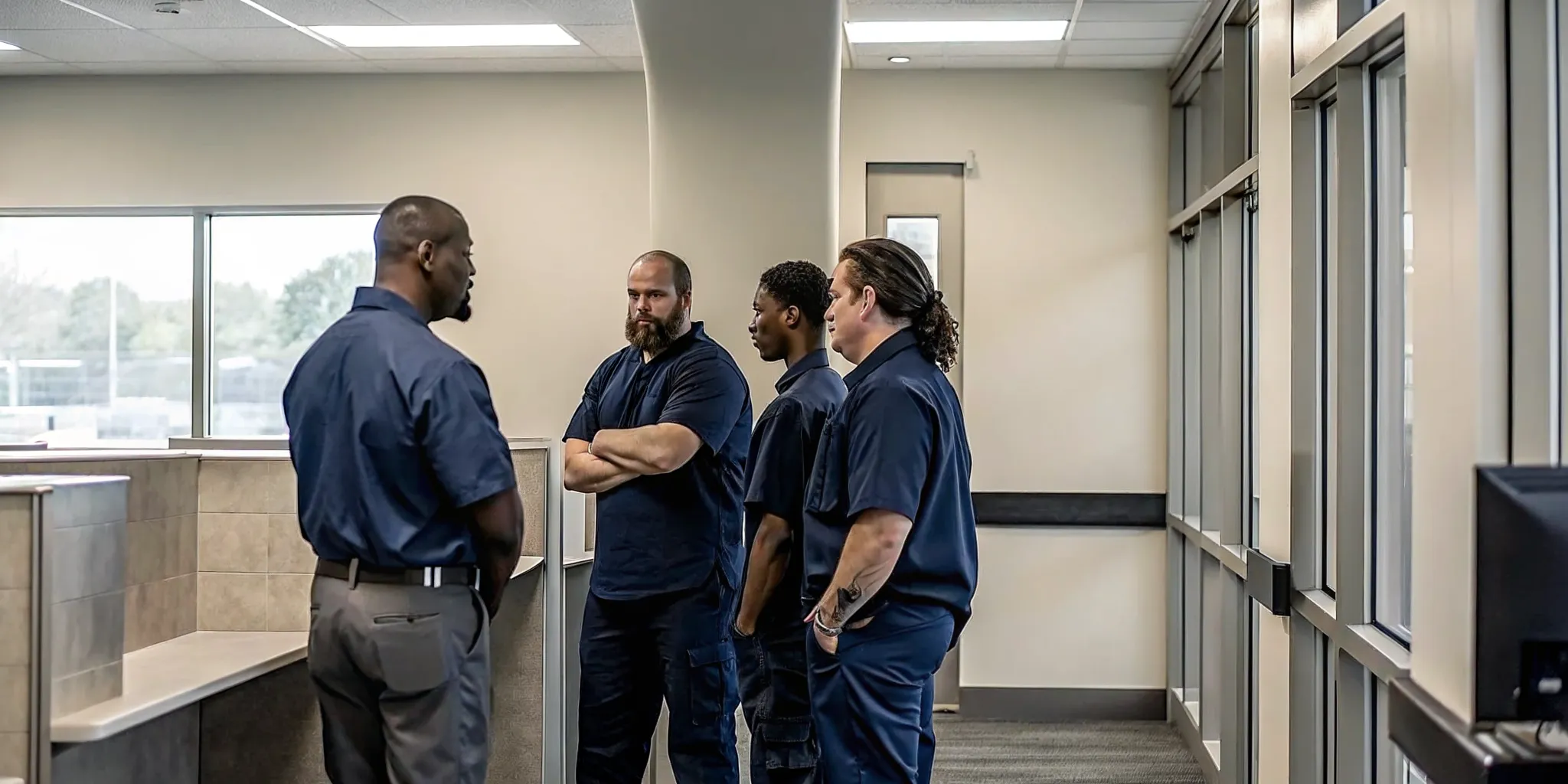
How can Tampa employers prevent avoidable delays?
Tampa employers can prevent delays by naming a trained DER, keeping current SAP and collection-site contacts, documenting each required handoff, checking Clearinghouse obligations promptly, and scheduling only after the SAP confirms eligibility. A repeatable checklist helps the team move quickly without skipping a federal requirement.
Appoint a Designated Employer Representative
Every company needs a Designated Employer Representative (DER) to manage the return-to-duty DOT drug testing services process. The DER acts as the main point of contact between the company, the driver, and the testing site. This role is vital for making quick choices and getting test results. Without a clear DER, paperwork can stall, which keeps drivers off the road for too long.
In places like Town N Country and Westchase, local fleets use a DER to speed up talk. The DER must have the power to pull a driver from safety-sensitive work if a test fails. They also ensure the company follows 49 CFR 382 Subpart B rules for violations. Clear leadership in this role prevents the back-and-forth that often slows down the testing cycle.
Verify SAP completion and direct observation
Before a driver can take a return-to-duty test, they must finish a review with a qualified Substance Abuse Professional (SAP). Employers must verify that the SAP has cleared the driver for testing. You should also confirm the test reason is marked right on the form. A common mistake is not checking for the direct observation rule, which is a mandate for all return-to-duty tests under DOT guidelines.
A Medical Review Officer for DOT testing will check these results to ensure all rules were met. If a test is done without direct observation, it will not count, and the driver will have to test again. This error can cause a big loss of time and money for your business. Working with a skilled site in Northwest Hillsborough County helps ensure these details are handled right the first time.
Manage Clearinghouse duties and local coordination
Employers must also update the FMCSA Drug and Alcohol Clearinghouse through the process. You are required to report when a driver starts and finishes their plan with a SAP. Fast updates in the system allow the driver to return to work as soon as they have a negative result. Using a comprehensive occupational health screening partner can help you track these tasks.
Coordination with your collection site is the final step to avoid delays. Make sure the site in the Tampa area knows the test is for return-to-duty so they can prepare for direct observation. Documenting each step without sharing too much private medical data keeps your company safe from legal risks. When you align your team with a local expert, you can move through the process with fewer hurdles.
How can employers protect worker privacy while staying compliant?
Employers should limit access to drug-testing records to authorized personnel, use secure storage, share only the information required for a person’s role, and follow applicable retention rules. This article provides general information and is not legal advice for a specific business or case.
Limit access to sensitive files
Only people who need to see drug test results should have access to them. Federal rules under 49 CFR Part 40 set clear bars for how to handle this data. You should keep medical files in locked cabinets or secure digital folders. Do not store them in a general worker file. Other staff might see them by mistake. In places like Town N Country or Westchase, keeping a clean line between HR and managers helps prevent leaks.
Keep manager talk focused on work
When a driver is in the return-to-duty process, managers only need to know their work status. They do not need to know the specific details of a medical evaluation. A Medical Review Officer for DOT testing can help clarify a driver’s fitness for duty. They do this without sharing private facts. Keeping talk focused on safety helps protect the driver and your company from gossip. This builds trust across your team in Carrollwood and Lutz.
Secure your data storage
Whether you use paper or cloud tools, security must be tight. The DOT requires that you keep records of drug test results for specific time frames. You must ensure that only authorized staff can get these files when needed for an audit. If you work in Northwest Hillsborough County, using local experts for comprehensive occupational health screening can simplify your record keeping. Proper storage ensures you stay ready for any check while keeping worker trust high.
Frequently asked questions about return-to-duty DOT testing
What is a DOT return-to-duty drug test?
A DOT return-to-duty drug test is required before a driver who violated federal drug or alcohol rules may resume safety-sensitive duties. According to the FMCSA, this test is needed before a driver can return to safety-sensitive work. It follows a check by a Substance Abuse Professional. The result documents that the driver met this testing requirement before returning to safety-sensitive commercial driving duties.
When is a return-to-duty drug test required?
This test is needed after a driver fails a DOT drug test or refuses to take one. Federal rules in 49 CFR Part 40, Subpart O, show that any break of drug and alcohol rules triggers this need. Drivers must finish a check and any needed treatment before they can take the test. In areas like Town N Country and Westchase, local motor carriers must make sure these steps are done to keep their fleets following DOT safety laws.
How do I start the return-to-duty process in Tampa?
To start the process, a driver must first meet with a DOT-qualified Substance Abuse Professional. This person will check the driver and suggest a plan for help or training. Once the driver finishes the program, the expert will allow the return-to-duty test. Tampa employers can coordinate the collection through return-to-duty DOT drug testing services after the SAP confirms that the driver is eligible to test.
Is a return-to-duty test conducted under direct observation?
Yes, all DOT return-to-duty drug tests must be done while someone watches. This rule comes from federal rules to stop anyone from changing the sample. A trained person of the same gender must watch the collection process directly. This is a strict rule for all such tests in Tampa and across the country. It helps keep the test honest and makes sure that the results are right for safety-sensitive jobs.
Ready to schedule DOT drug and alcohol testing for your team?
Waiting to set up a return-to-duty test can cost your business a lot of time and money when your drivers stay off the road. Every day they are not driving is a day of lost work for your team. Putting off this process makes it much harder for you to stay in line with DOT rules and keep your fleet moving in Tampa.
By acting right now, you can get your drivers back to work safely and help your local firm stay on track with its busy schedule. Our clinic helps Tampa Bay area firms handle these tests with speed and care so that you do not fall behind on your work.
Ready to schedule DOT drug and alcohol testing? Book your screening today to keep your fleet compliant and moving in the Tampa Bay area.