
For Tampa Bay commercial drivers, medication questions can make an approaching DOT physical feel uncertain. The best first step is simple: arrive with an accurate medication list and relevant records so the certified medical examiner has the information needed for an individualized safety assessment.
When discussing medications and DOT physical requirements, bring a complete list of prescriptions, over-the-counter products, vitamins, and supplements. The certified medical examiner reviews your health, treatment, possible side effects, and supporting information against FMCSA standards. A treating clinician’s documentation may help answer questions, but the examiner makes the certification decision. No medication should be assumed to automatically qualify or disqualify a driver.
Many drivers worry about how a prescription could affect their exam. The review is focused on whether the driver meets applicable safety standards, based on their individual circumstances. Here is how the process works and how to prepare.
How medications and DOT physical reviews work
A certified medical examiner reviews each driver’s medication use in context, including the treated condition, dosage, effectiveness, possible side effects, and supporting clinical information. The decision is individualized under applicable FMCSA standards.
A DOT physical evaluates whether a commercial driver meets federal physical qualification standards. During a DOT exam in Tampa, the certified medical examiner considers how your health conditions and treatment may relate to safe commercial vehicle operation.
The case-by-case medical review
Medical examiners evaluate each driver individually. Under 49 CFR 391.41, the examiner determines whether the driver meets the physical qualification standards. The review can include the medication’s purpose, dosage, effectiveness, side effects, and the driver’s underlying condition. Discuss questions about a specific prescription with the certified medical examiner.
Driver and public safety remain the focus. The examiner considers whether treatment controls the underlying condition, how you respond to it, and whether side effects could affect safe commercial vehicle operation. Treatment does not guarantee certification, and it does not automatically prevent certification.
Role of your treating doctor
Your treating clinician can provide helpful context about your condition and treatment. For certain prescribed substances, FMCSA explains that the prescribing practitioner may advise that the substance will not adversely affect safe commercial vehicle operation. Supporting information helps the certified medical examiner evaluate your situation, but it does not guarantee certification.
The examiner may use the optional MCSA-5895 CMV Driver Medication Form to request information from a prescribing clinician. The form can clarify the condition being treated, medication details, and clinical opinion about safe commercial vehicle operation. The certified medical examiner still makes the certification decision.
What to bring to your Tampa exam
Give the examiner an accurate list of all prescription and over-the-counter medications, along with vitamins and supplements. Complete information supports an efficient review and helps reduce avoidable delays for drivers seeking a CDL medical exam in Hillsborough County.
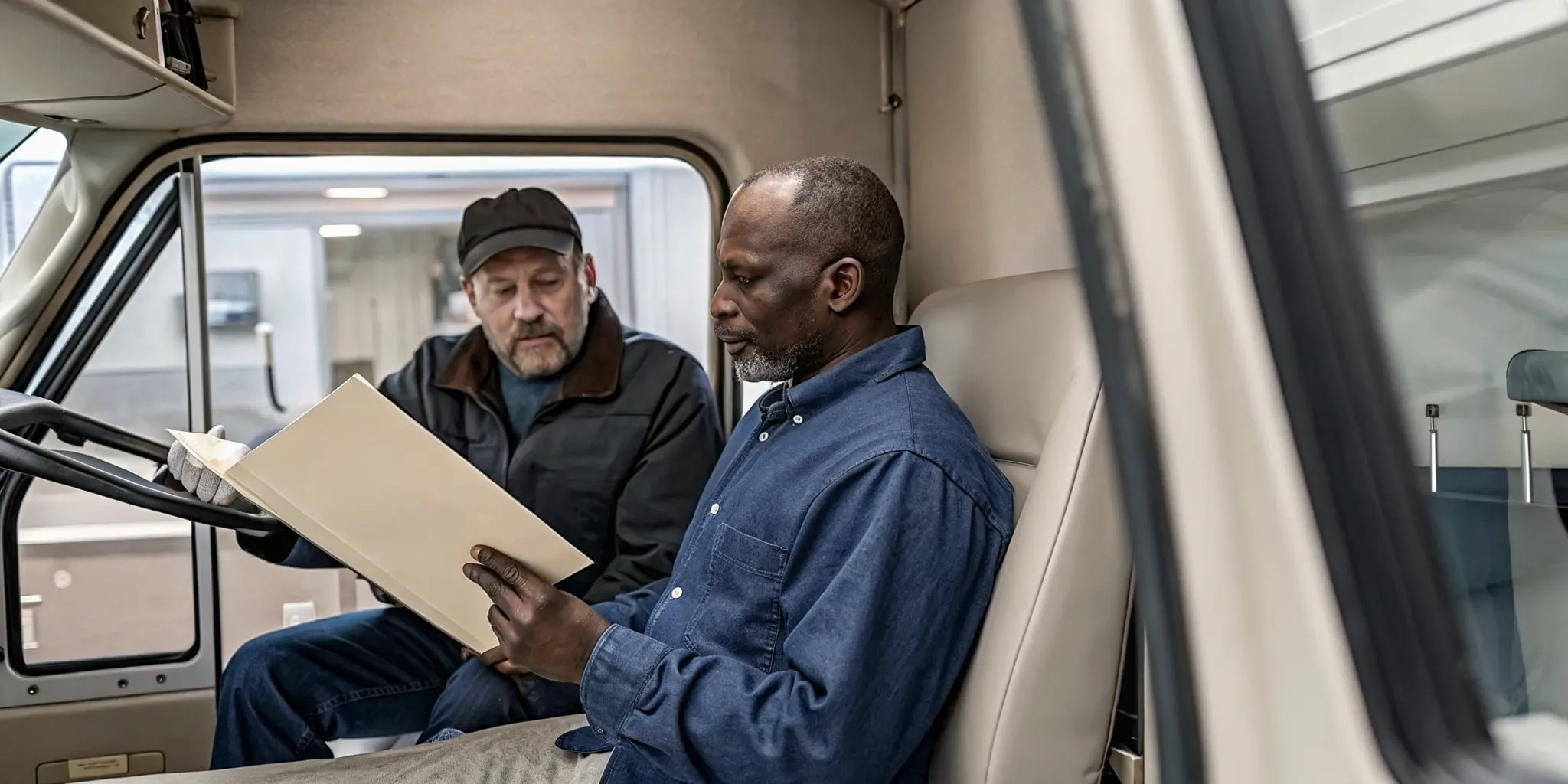
When you come for your exam, bring a full list of current medications for DOT physical review. Include the name of the drug and the amount you take. Also, bring the name and phone number of the doctor who gave you the script. Having these facts ready makes the process go well for everyone.
What should you bring to your DOT exam?
Bring a complete medication list, relevant treatment records, and contact details for prescribing clinicians. Include prescription and over-the-counter products, vitamins, supplements, dosages, and reasons for use.
- Medication names, dosages, and schedules
- Reason each medication is prescribed or used
- Prescribing clinician contact details
- Relevant supporting documentation requested by the examiner
Tampa drivers often feel stress before a DOT exam. Being ready can help you feel calm and ready to pass. You must show that your health allows you to drive safely on Hillsborough County roads. One vital part of this is how you handle your medications and DOT physical forms.
If you come ready, you can avoid delays and get back to work faster. Most drivers find that a little work at home saves hours at the clinic. Preparation is the key to a smooth day.
Prepare your drug list
Federal rules require you to tell the doctor about every drug you take. This includes pills for high blood pressure, diabetes, or sleep. The doctor needs to know the name, dose, and why you take it. You should also list any over the counter drugs you use.
Some cold drugs, like antihistamines, can make you sleepy. This can lead to problems during your health test. If you are not sure about a drug, write it down anyway to be safe. It is always better to share too much than too little.
Drivers in the Tampa Bay area should keep this list current and accessible. This helps during the exam and can provide useful information during an unexpected health event on the road. Bringing a clear list shows the examiner that you take preparation seriously.
For a broader view of related workplace evaluations, review Med A Physical’s employment physical services. Employers coordinating driver evaluations can also learn about employment screening services.
It also makes the sign in process move much faster for everyone at our office. When you have your facts ready, the doctor can focus on your exam. This keeps your wait time low.
Gather support documents
If you take medications for a health issue, you may need a note from your doctor. This is common for things like ADHD or heart issues. Your doctor must state that the drug does not stop you from driving a big truck. You can find these rules in the 49 CFR 391.41 standards.
Bringing this note saves time because the doctor may not have to call your clinic. It is best to get this note a few weeks before your visit. Having it in hand shows you are ready for the test. It also prevents the need for a follow up visit.
Bring contact details for your doctors
If the medical doctor has a question, they may need to call your main doctor. You should have their name, phone number, and fax number ready. This is very helpful if you have a long term health issue that needs a closer look.
For more tips on what to bring, check our medications and DOT physical requirements page. Having this info ready shows you are a pro who knows the rules. Use this checklist to prepare for your visit to our Tampa office:
- Write down every medication and supplement you take now. Include the name, dose, reason for use, and prescriber’s contact information.
- Get a signed note from your main doctor. The note should say that your drugs will not make it unsafe for you to drive a truck. It helps to have a list of current medications for DOT physical ready before you arrive.
- Pack your glasses, contacts, or hearing aids if you use them. The DOT physical checks your vision and hearing as part of the health scan. If you forget these, you might fail the test even if your health is good.
- Ask the clinic before your appointment whether records or monitoring logs may be useful for your health condition.
- Carry a list of all your doctors. This list should have their full names and phone numbers. If the doctor needs more info to clear you, having this ready speeds up the process.
Why supporting documentation may matter
Supporting documentation can help the examiner understand the condition being treated, response to treatment, and possible safety considerations. It provides context, but it does not guarantee a certification outcome.
When you take your DOT physical in Tampa, the medical examiner must ensure you can safely operate a big truck. This process often involves looking at how you manage chronic health issues. If you take pills for things like blood pressure or sleep, your examiner may ask for more facts from your regular doctor. This help from your treating clinician is key when dealing with medications and DOT physical requirements.
Documentation helps clarify safety
Your regular doctor knows your health history best. They can explain why you take a certain drug and how it affects your body. Federal rules at 49 CFR 391.41 require drivers to meet clear health standards. A note from your doctor can show that your condition is stable. It can also prove that your medicine does not make you sleepy or unfocused behind the wheel. Providing this info early can help you avoid long waits for your medical card.
What your medical records should show
A good letter from your doctor should be very specific. It needs to list all your current drugs and why you use them. The doctor must state that the substances you take will not hurt your ability to drive a commercial motor vehicle safely. You must also give a full list of current medications for DOT physical exams to the examiner. This should include the name of the drug, the dose, and the name of the doctor who gave it to you.
The examiner makes the final call
It is vital to know that your regular doctor does not grant the DOT medical card. They only give data to help the process. The certified medical examiner is the one who decides if you meet FMCSA safety standards. They look at the notes from your clinician and check them against federal rules. This review keeps everyone safe on the roads in Hillsborough County and Pinellas County.
What types of medications should drivers discuss?
Discuss every prescription and over-the-counter medication, vitamin, and supplement you use. A complete list helps the certified medical examiner review the full treatment picture and potential side effects.
You must share all drug use with the medical examiner during your exam. This rule includes items from your doctor and things you buy at the store. Federal laws found at 49 CFR 391.41 set the health standards for all drivers. Sharing these details helps the examiner know you can drive safely in Tampa and throughout Florida.
Prescription drugs and health plans
If you take drugs from a doctor, you must list them on your forms. This covers drugs for high blood pressure, heart issues, or mental health. Your doctor must state that these drugs will not hurt your ability to drive. This safety note from your doctor is a key part of your file. It shows that your health plan fits with DOT rules.
Some drugs like stimulants for ADHD or certain pain meds need extra review. The examiner looks at how the drug affects your focus and reaction time. You should bring a full list of current medications for DOT physical exams to your visit in Tampa. This helps avoid delays in getting your medical card.
Store bought items and vitamins
Do not forget about over-the-counter items. Many people do not think of these as drugs, but they can still cause issues. Allergy pills or sleep aids often cause drowsiness. These effects can impair your driving just as much as a strong drug from a doctor. You should discuss these with the examiner to stay safe on the road.
Vitamins and supplements should also be listed for review. Some may affect your health or interact with other medications. The examiner needs the full picture, so provide accurate information about everything you take.
| Item | Review | Preparation |
|---|---|---|
| Prescription Drugs | Side effects and safety | Note from your doctor |
| Over-the-Counter | Sleepiness or dizziness | Full list of brand names |
| Vitamins/Supplements | Interactions with meds | Bottle or list of ingredients |
| Other substances | Applicable FMCSA rules and safety effects | Discuss honestly with the examiner |
Federal rules on certain substances
Federal and state rules can differ for certain substances. Commercial drivers should discuss all substance use honestly with the certified medical examiner and review current FMCSA guidance. The examiner can explain which standards apply to the individual exam.
The goal is to keep you and others safe in Hillsborough County. Discussing your medications and DOT physical requirements helps you stay on the road. If you have questions about a specific drug, ask your doctor before your exam starts.
Should you stop medication before a DOT physical?
Do not stop or change a prescribed medication solely to prepare for a DOT physical. Discuss any medication concerns with the prescribing clinician and certified medical examiner before making changes.
You should not stop taking your prescribed drugs before your exam. Many drivers in Tampa worry that their pills might cause them to fail. But stopping a health plan without a doctor’s help can be risky. It may also lead to high blood pressure or other issues during your test. You must be honest about your health to stay safe on the road.
The law requires you to share all medications and DOT physical details with your examiner. Under 49 CFR 391.41, you must meet clear health rules to drive. If you hide a drug, it can lead to delays. It could even make your medical card void later. It is much better to show that your health is under control with the help of a doctor.
Risks of stopping your medications
Changing or stopping a prescription without guidance may create health and safety risks. Continue following your treating clinician’s instructions unless that clinician advises otherwise. The certified medical examiner will review your current health and treatment under the applicable standards.
A doctor must say that your prescription will not hurt your ability to drive safely. This is a key part of the federal rules. If you change your plan just for the test, you put your job and others at risk. Stick to the plan your own doctor gave you to stay in top shape for the road.
How to prepare for the talk
The best move is to be ready with the right papers. Bring a full list of current medications for DOT physical exams to our office. This list should show the name of the drug and the dose. It must also have the name of the doctor who gave it to you. This helps the examiner see that you are taking care of your health.
You may also need a note from your own doctor. This note should say that the drug is safe for a commercial driver. This is very helpful for things like ADHD pills or some pain meds. Having this ready can speed up your wait time. It shows you take your role and DOT rules seriously.
Disclaimer: This post is for information only and is not medical advice. Always talk to your doctor before you change how you take any drug. FMCSA standards are the final rule for all DOT health cards.
Prepare for your DOT exam in Tampa
Prepare by making a current medication list, gathering relevant records, and confirming clinician contact information. Drivers from Westchase, Carrollwood, and across Tampa Bay can reduce avoidable delays by arriving organized.
Contact Med A Physical to schedule your Tampa DOT exam and ask what records to bring.
Getting ready for your CDL medical exam in Tampa Bay does not have to be hard. Whether you drive in from Town N Country, Westchase, or Lutz, a small amount of prep makes the day go fast. Many drivers in Hillsborough County find that a smooth visit starts with simple planning. Our goal is to help you stay on the road and meet all federal rules without any wait.
What to bring to your visit
You should start your day by getting your health files in order. If you live in Carrollwood or Citrus Park, you can reach our office in a few minutes, but you do not want to forget your papers. The most vital item is a full list of current medications for DOT physical exams. This list must show the drug name, the dose you take, and why you take it. You also need the name and phone number of the doctor who gave you the script.
If you have a long-term health issue like sugar or heart problems, bring a note from your doctor. This note should say that your health is stable and that you can drive a truck safely. For those in Westchase or Odessa who use glasses or hearing aids, make sure you have them with you. Being ready helps the doctor finish your checkup fast so you can get back to your route.
Medications and DOT physical rules
The link between your medications and DOT physical rules is a key part of road safety. You must tell the doctor about every drug you take. This rule is part of the physical qualification standards found in federal law. Some drugs can make you feel sleepy or lose focus, which could lead to safety risks on the road.
Your doctor must also confirm that your medications will not hurt your ability to drive a big vehicle. While very few drugs lead to a fail, the doctor must check how they affect your body. If you use a controlled drug, you will likely need a special note from your own doctor. Failing to share this info can lead to long delays or even make your medical card void later.
What to expect during the exam
When you arrive at our Tampa office, we will start with a look at your health history. We will check your eyes, ears, and blood pressure. Drivers from Lutz and Northwest Hillsborough County should avoid too much coffee or salt before their visit. High blood pressure is a common reason for a short-term card, so staying calm and drinking water is key.
The doctor will also check your physical strength and how you move. They will test your urine for sugar, which can be a sign of health issues. Most of the time, the whole process takes less than one hour. If everything looks good and you have all your files, you will leave with your new medical certificate in hand.
What if the examiner needs more information?
The examiner may pause the review and request records or clarification from a treating clinician. Respond promptly and provide complete information so the examiner can finish the individualized assessment.
During a DOT physical in Tampa Bay, your medical examiner might find a health issue that needs a closer look. It is common for an examiner to ask for more facts before they can issue your medical card. This step is not a “fail,” but a way to ensure you are safe to drive on the road. When it comes to your medications and DOT physical rules, the examiner must follow strict federal laws to protect you and others.
Why the examiner requests more data
The main job of the examiner is to confirm you meet the rules set by the FMCSA. If you have a long-term health issue like heart disease or sleep apnea, the examiner may need to see your recent test results. They want to know that your health is under control and will not cause a sudden problem while you drive.
If your health history shows you use drugs that could cause sleepiness, the examiner must check how they affect you. You are required to disclose all current medications to the medical examiner. If the first check does not provide enough proof of safety, more records become needed. This helps the examiner follow federal qualification rules correctly.
Working with your treating doctor
When more details are needed, you will likely need to contact the doctor who treats your health. Your examiner will tell you exactly what facts they need to see. You should ask your doctor for a letter that lists your health state, your current treatment, and how you feel on your medications.
It is best to bring a complete list of current medications for DOT physical exams to both your doctor and the examiner. Your doctor must state that your drugs will not stop you from driving a big truck safely. In some cases, the examiner might use a special form to get this info from your doctor directly. This keeps the process clear and follows the law in Hillsborough County.
Completing the review process
Once you get the records from your doctor, bring them to your examiner as fast as you can. Do not wait, as delays can keep you from working. The examiner will review the new facts to see if you meet the safety goals. They might give you a card for a shorter time, like six months or one year, if they need to check on you often.
If you follow the steps the examiner gives you, the process usually goes much faster. Our team in the Tampa Bay area knows how vital your job is to your life. We aim to help you get the right facts to the right place so you can stay on the road. Always be honest and clear about your health to avoid issues with your medical card later.
Frequently Asked Questions
These common questions explain how to prepare for a medication review. Your certified medical examiner must evaluate your individual circumstances and make the certification decision.
Do I have to tell the DOT medical examiner about my prescriptions?
Yes, you must tell the medical examiner about all drugs you take. This includes prescription and over-the-counter medications. The FMCSA says you must show all current meds during your DOT exam. If you do not share this info, you could face delays or lose your card later. At our Tampa clinic, we help you list these to keep you on the road.
Are there specific medications that automatically disqualify a driver?
No single drug always stops you from driving. But drugs that make you sleepy or less alert can be a problem. This includes some pain pills or medications for mood. A doctor must check if the drug makes it unsafe to drive a big truck. You can get a note from your own doctor to show the drug is safe. Drivers in Tampa Bay should bring this note to their physical.
Will my prescription for ADHD medication affect my DOT physical?
Drugs for ADHD may need a closer look. These often include stimulants that help you focus. The examiner will check if the drug changes how you drive. You should bring a note from the doctor who gave you the medications. The note should say why you need them and that you can drive safely. Our team in Hillsborough County can help you know what the law needs for these drugs.
Is marijuana legal for DOT-regulated drivers?
No, you cannot use marijuana and keep a DOT card. Federal law says this drug is not allowed for DOT drivers. This is true even if a state says it is okay or if a doctor gave it to you. If you test positive, you will lose your medical card. Drivers in the Tampa area must follow these federal rules to stay at work and keep the roads safe for everyone.
Ready to schedule your DOT exam in Tampa?
Bring your medication list and supporting records, then discuss your individual circumstances with the certified medical examiner. Med A Physical helps Tampa-area commercial drivers prepare for an organized DOT exam.
Putting off your exam can lead to an old medical card which stops you from working. If you wait until the last day, you might not have time to get the doctor’s notes you need for your medications. Starting now means you can fix any issues without losing a day of pay or your spot on the road. Our team in Hillsborough County knows the rules and helps you stay legal. We make it easy to know what the DOT needs so you can keep your focus on driving. You get a clear path to your new card and can stay behind the wheel with peace of mind.
Ready to schedule a DOT exam? Book your DOT physical in Tampa and bring your medication list for an individualized review.